
Now Reading: The Halftime Revolution: How Roc Nation Rewired the Super Bowl’s Cultural DNA
-
01
The Halftime Revolution: How Roc Nation Rewired the Super Bowl’s Cultural DNA
Advertisement


Advertisement
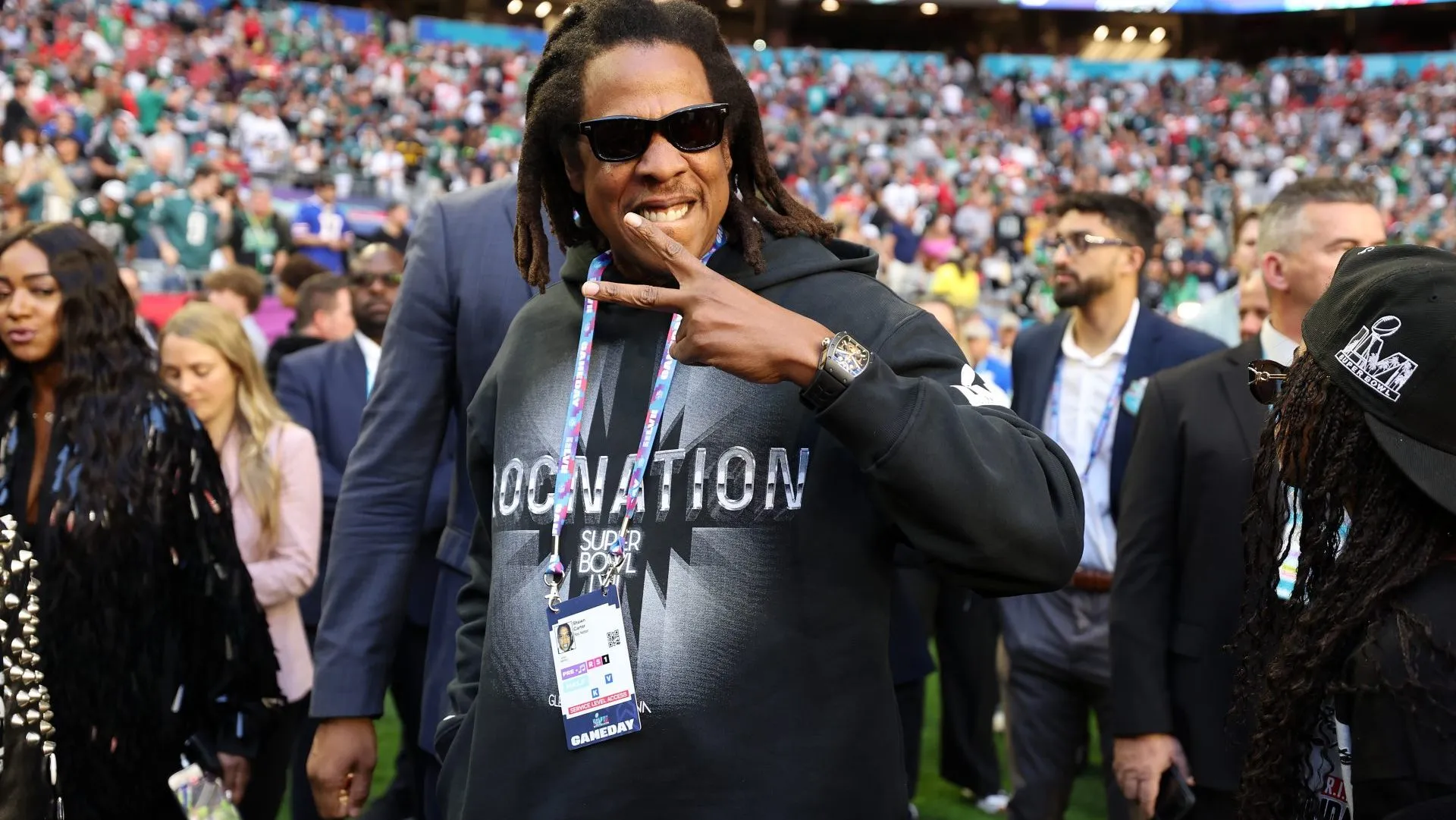
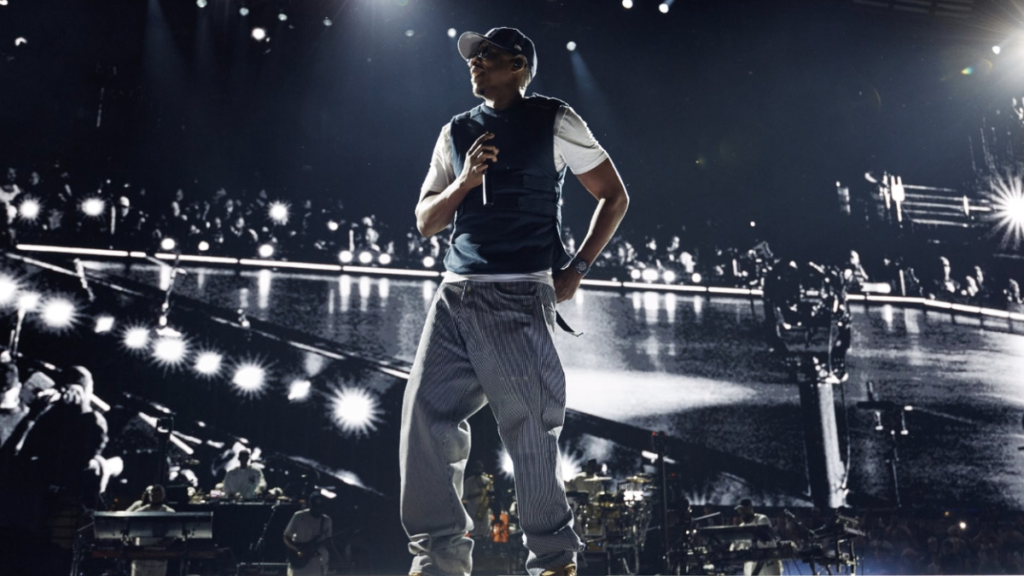
Since Roc Nation partnered with the NFL in 2019, the Super Bowl halftime show has undergone a cultural transformation — one that reflects the evolving sound, diversity, and global influence of modern music. What was once seen primarily as a traditional pop spectacle has shifted into a powerful celebration of Black and Latino artistry, bringing hip-hop, R&B, Latin music, and contemporary cultural storytelling to one of the world’s biggest stages.
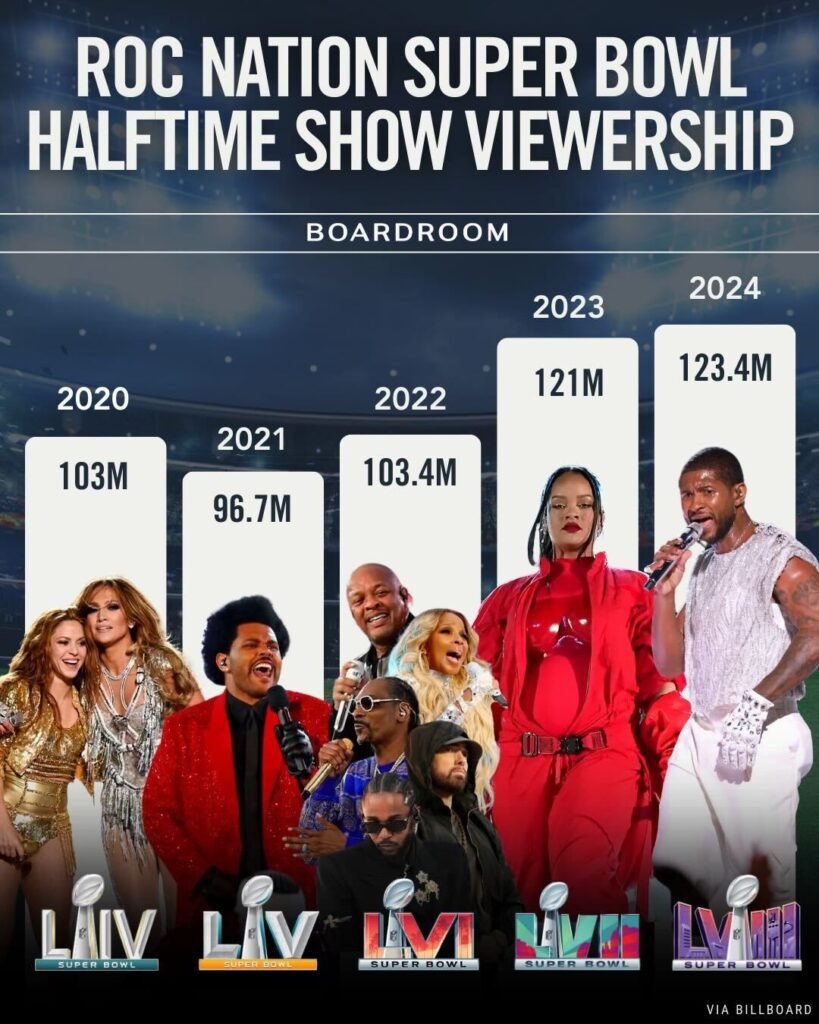
And the results speak loudly: record-breaking viewership, viral moments, and performances that extend far beyond entertainment — becoming cultural milestones.
A New Era Begins
When Roc Nation entered the picture, the goal wasn’t just to produce bigger shows — it was to redefine representation. The halftime stage became a platform that mirrors the real pulse of music culture, highlighting genres and artists that have shaped global sound for decades.
Hip-hop legends, R&B icons, and Latin superstars began taking center stage in ways that felt authentic and reflective of today’s audiences. These performances weren’t simply concerts — they became narratives celebrating identity, heritage, and influence.
Culture Meets Global Visibility
The Super Bowl halftime show has always been one of the most watched live music events on the planet, but the recent era has elevated its cultural relevance. By embracing artists rooted in hip-hop, R&B, and Latin music traditions, the show has connected with younger and more diverse audiences, driving massive engagement across social media platforms.
Each performance feels less like a standalone moment and more like a cultural statement — a reflection of where music is now and where it’s going next.
Record Viewership and Cultural Impact
The shift has coincided with some of the highest viewership numbers in Super Bowl history. Fans aren’t just watching for football anymore — they’re tuning in for the cultural experience.
From nostalgic celebrations of classic hip-hop eras to bold modern productions blending choreography, storytelling, and visual art, the halftime show has become a defining stage for artists to showcase their legacy and influence on a global scale.
Beyond Entertainment — A Cultural Statement
More than just spectacle, the Roc Nation era represents a broader acknowledgment of the cultural power behind Black and Latino music communities. These genres have long driven global trends, and their presence on the Super Bowl stage reflects a deeper recognition of their impact.
It’s not just about inclusion — it’s about authenticity.
The Future of the Halftime Show
As the partnership continues, expectations remain high. Fans now anticipate performances that push boundaries, celebrate culture, and create unforgettable moments that resonate long after the final whistle.
One thing is clear: the halftime show is no longer just a performance — it’s a cultural movement.
And as music continues to evolve, so will the stage that reflects it.
Related Posts

Stay Informed With the Latest & Most Important News
Advertisement