
Now Reading: Donyale Luna: The First Black Supermodel Who Changed Fashion History
-
01
Donyale Luna: The First Black Supermodel Who Changed Fashion History
Advertisement


Advertisement

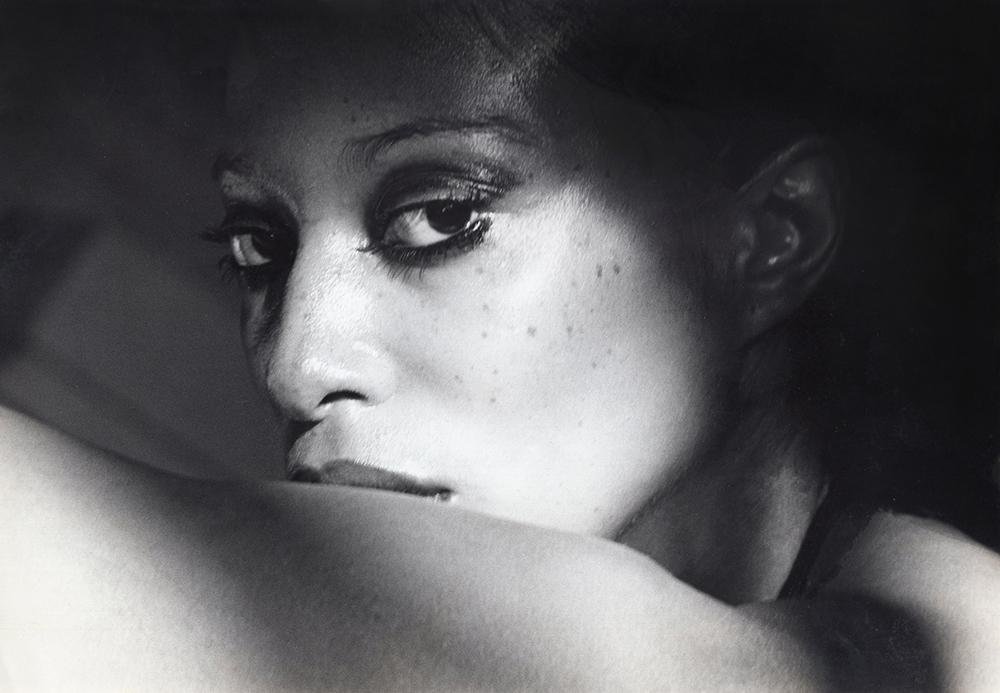
Long before the fashion industry began making serious efforts toward greater representation, Donyale Luna was breaking barriers on international runways, magazine pages and movie screens.
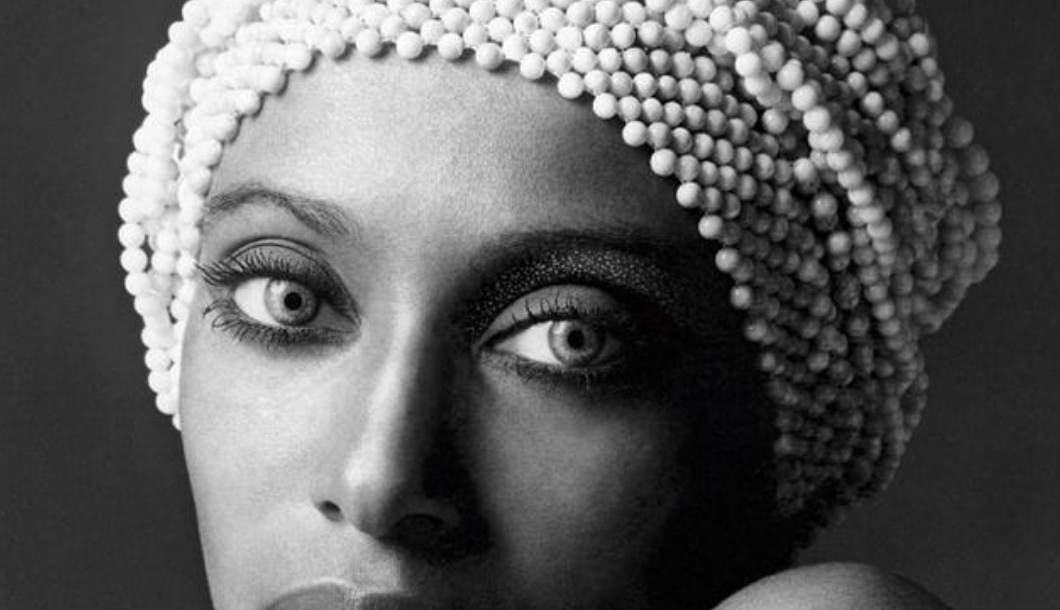
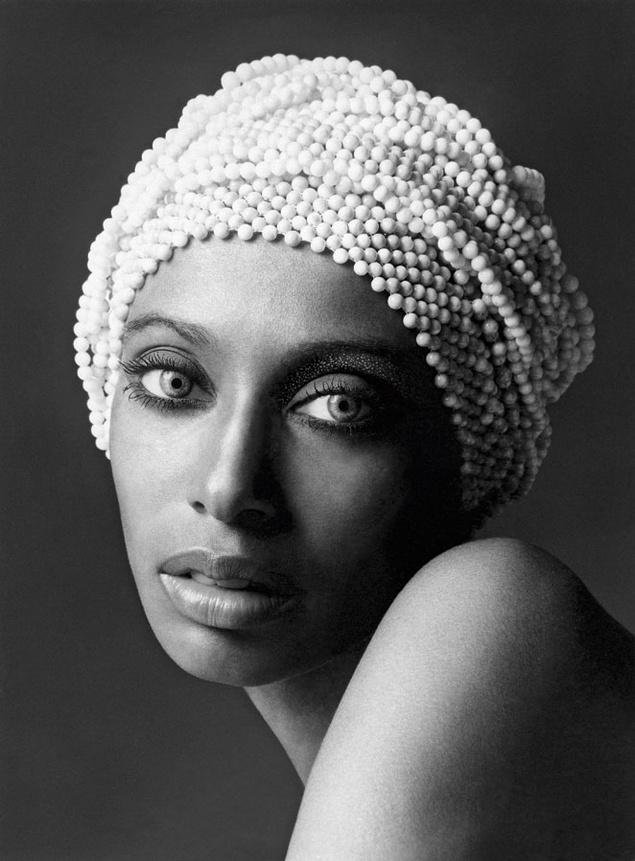
Born Peggy Ann Freeman on August 31, 1945, in Detroit, Michigan, Luna became one of the most groundbreaking figures in 20th-century fashion. She is widely described as the first Black supermodel and made history in March 1966 when she became the first Black model to appear on the cover of British Vogue. Vogue has since recognized Luna as an important early figure in expanding representation within high fashion.
Breaking Barriers in the Fashion Industry
Luna’s success came during an era when Black models faced significant barriers in the American and European fashion industries. While she was not the first Black woman to work professionally as a model, her rise to international prominence represented a major turning point.
Other pioneering Black and mixed-race models had entered predominantly white fashion spaces decades earlier. But Luna’s appearance on the cover of British Vogue became one of fashion history’s most recognizable milestones.
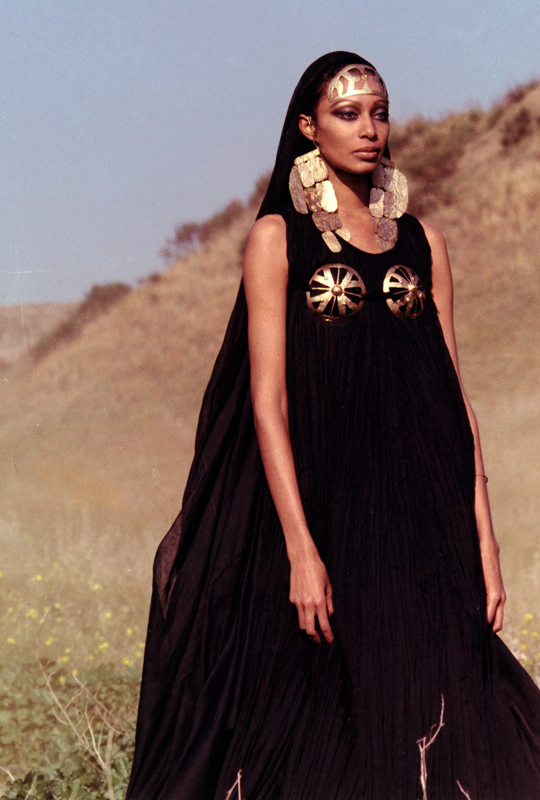
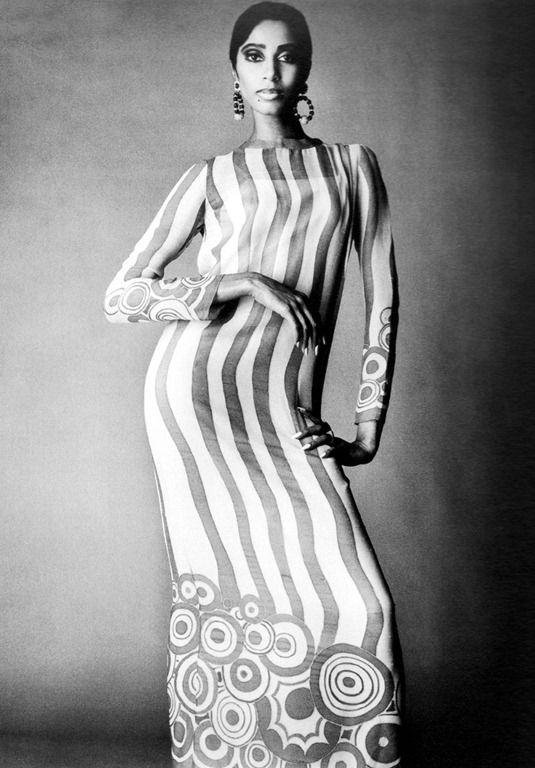
Her distinctive look, dramatic posing style and artistic approach to modeling made her stand apart from many of her contemporaries. Rather than simply presenting clothing, Luna often approached a fashion shoot almost like a theatrical performance.
Her success helped challenge established beauty standards and demonstrated that Black models could become international fashion stars rather than simply occasional additions to editorial pages.
From Detroit to the International Fashion World
Luna grew up in Detroit as one of three daughters in the Freeman family. Her father, Nathaniel Freeman, worked in production at Ford, while her mother, Peggy Freeman, worked as a secretary for the YWCA.
From an early age, Luna showed an interest in performance and creativity. She attended schools in Detroit and became involved with theater, music and the performing arts.
Those interests would later become an important part of the unusual personality she brought into fashion.
After entering the modeling industry, Luna eventually moved beyond New York and found considerable success in Europe. Her unconventional beauty and striking presence attracted major photographers, designers and artists during the cultural explosion of the 1960s.
She worked with influential photographers including Richard Avedon and became associated with some of the most experimental figures in fashion and art. Vogue has continued to recognize her work as part of the important history of Black models in the industry.
Donyale Luna’s Historic British Vogue Cover
The moment that permanently secured Luna’s place in fashion history arrived in March 1966.
Luna appeared on the cover of British Vogue, becoming the publication’s first Black cover model.
The achievement was particularly significant because mainstream fashion magazines had traditionally presented extremely narrow definitions of beauty.
Luna’s Vogue appearance opened another door for Black models and helped broaden the visual vocabulary of international fashion.
Her influence would eventually be followed by generations of Black supermodels who continued pushing the industry forward.
Donyale Luna Also Made Her Mark in Film
Luna’s artistic ambitions extended well beyond modeling.
She became involved with the avant-garde art and film scenes of the 1960s and appeared in several projects connected to Andy Warhol.
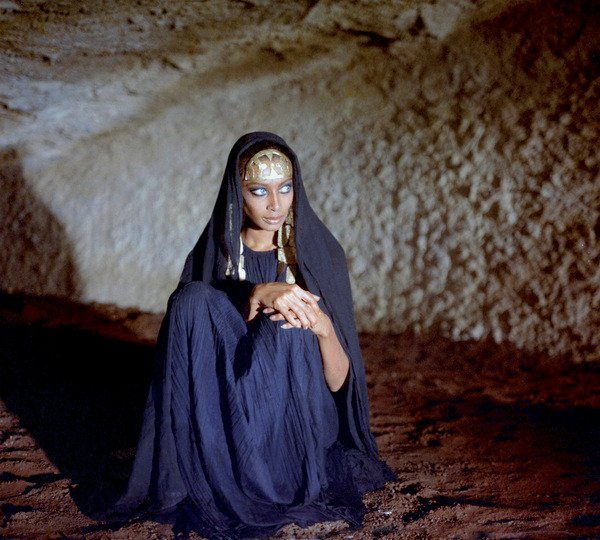
She also appeared in the experimental fashion film Qui êtes-vous, Polly Maggoo?, followed by roles in major productions including Otto Preminger’s Skidoo and Federico Fellini’s Satyricon.
Her appearance as Oenothea in Fellini Satyricon became one of her most recognizable screen performances.
Luna’s transition between modeling, art and cinema demonstrated how unusual her career was for the period. She wasn’t simply a fashion model—she became part of an international creative movement connecting photography, cinema, fashion and experimental art.
Building a Life in Europe
As Luna’s international career developed, Europe became increasingly important to both her professional and personal life.
She eventually married Italian photographer Luigi Cazzaniga in California in 1976. Their daughter, Dream Cazzaniga, was born the following year. The couple later separated, although they remained legally married at the time of Luna’s death in 1979.
Dream has since helped preserve and explore her mother’s complicated legacy, including participating in projects examining Luna’s place in fashion history.
A Fashion Pioneer Whose Influence Still Matters
Donyale Luna died on May 17, 1979, in Rome, at only 33 years old.
Yet her relatively short life produced a cultural impact that continues decades later.
Her career existed at the intersection of fashion, race, beauty, performance and celebrity, and her success came during a period when opportunities for Black models remained extremely limited.
Today, Luna is increasingly being recognized not simply as an unusual figure from the 1960s, but as one of the women who helped fundamentally change what a high-fashion model could look like.
The Legacy of Donyale Luna
Calling Donyale Luna the “first Black supermodel” is ultimately about more than one magazine cover.
Her importance comes from the scale of the barrier she crossed.
She entered some of fashion’s most exclusive spaces at a time when Black women were rarely presented as the industry’s leading symbols of beauty. Her work helped create room for broader ideas of glamour and opened possibilities for future generations.
From Detroit to New York, London, Paris and Rome, Donyale Luna transformed herself into one of fashion’s most unforgettable figures.
More than half a century after her historic British Vogue cover, her story remains an essential chapter in the history of Black fashion, modeling and popular culture.
Stay Informed With the Latest & Most Important News

Advertisement