
Now Reading: Beyond the Championship Belt: David L. Shabazz Spotlights Black Wrestling’s Fight for Equality
-
01
Beyond the Championship Belt: David L. Shabazz Spotlights Black Wrestling’s Fight for Equality
Advertisement

Beyond the Championship Belt: David L. Shabazz Spotlights Black Wrestling’s Fight for Equality

Advertisement

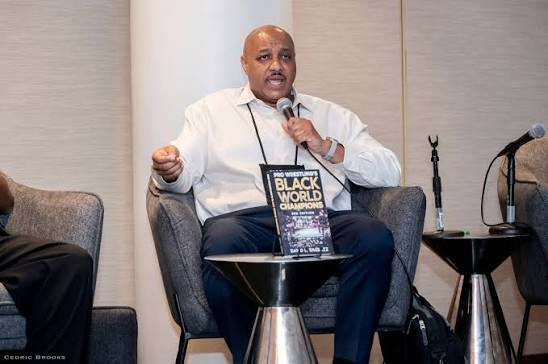
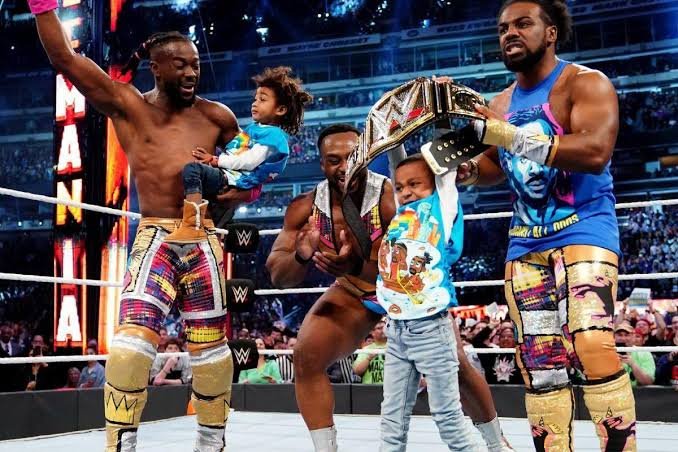

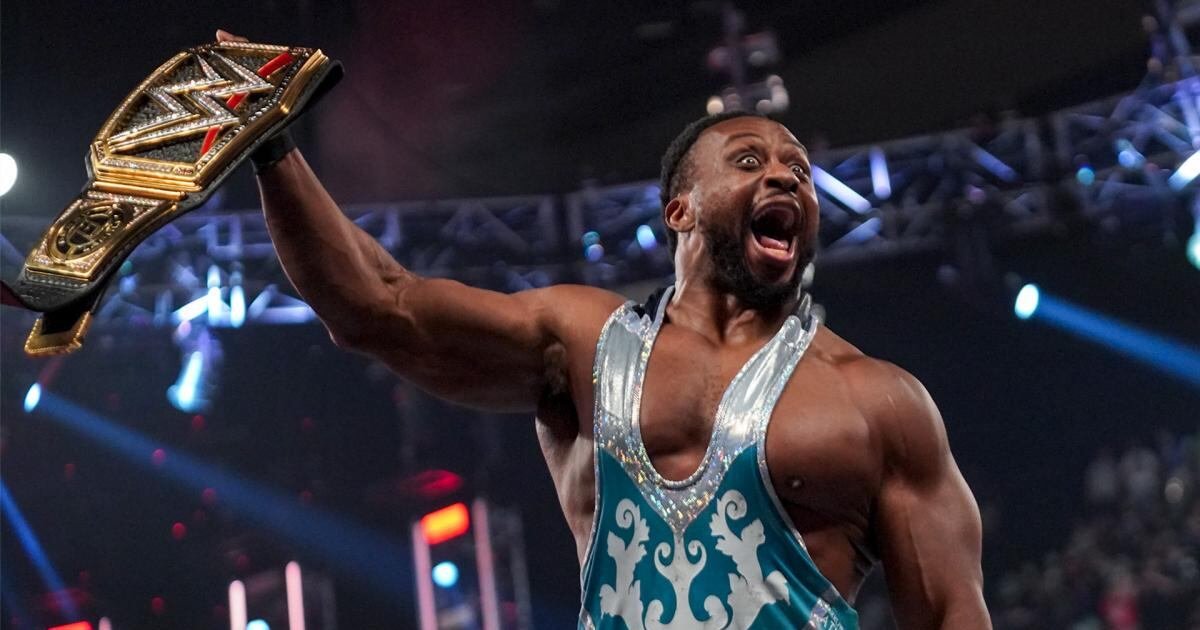
Behind professional wrestling’s larger-than-life personalities and championship celebrations lies a history of Black performers fighting for opportunity, recognition, and respect. Dr. David L. Shabazz brings those stories into focus in Pro Wrestling’s Black World Champions, Third Edition, exploring how their achievements helped reshape an industry marked by racial barriers.
Shabazz, an associate professor of communication at Kentucky State University, received an Outstanding Book Award at the 2026 National Association of Black Journalists Convention in Atlanta. The university confirmed that he accepted the honor on August 13 following his appearance in the convention’s Author’s Showcase.
One of the book’s pivotal figures is Bearcat Wright, who defeated Freddie Blassie for the World Wrestling Associates World Heavyweight Championship on August 23, 1963—just five days before the March on Washington. In his writing about Wright, Shabazz also highlights the wrestler’s refusal to perform in segregated venues, connecting his championship legacy to a broader struggle for equality.
That history reaches beyond a single titleholder. Shabazz examines Bobo Brazil, whose popularity helped establish Black wrestlers as major attractions, and Ethel Johnson, a pioneering Black woman whose career challenged both racial and gender barriers. Their stories show how progress depended on performers earning visibility in spaces that often restricted their opportunities.
The expanded edition also connects those earlier generations to familiar names such as Ron Simmons, Booker T, and Jackie Moore, alongside modern champions including Bianca Belair, Mercedes Moné, and Swerve Strickland. Black tag team champions receive attention as well, broadening the book’s exploration of achievement across the industry.
Professional wrestling’s outcomes may be planned, but decisions about who receives the spotlight carry real cultural significance. Shabazz’s work invites readers to consider whose stories get told, who is trusted to represent a company, and how those choices shape what audiences see as possible.
For JQXNATION, this is a reminder that Black history lives throughout popular culture—including inside the wrestling ring. Remembering these performers means recognizing both their entertainment value and the opportunities their careers helped create.
Learn more about Pro Wrestling’s Black World Champions, Third Edition, at DavidLShabazz.com.
Stay Informed With the Latest & Most Important News
Previous Post
Next Post

Advertisement