

The 2026 Winter Olympics delivered one of the most electrifying moments in figure skating history — and it wasn’t just about technical brilliance. It was about legacy, evolution, and the long arc of innovation finally coming full circle.
Team USA’s Ilia Malinin stunned audiences worldwide by landing the first legal one-foot backflip on Olympic ice, a moment that instantly became one of the defining highlights of the Games. The daring move ignited arenas, thrilled fans across generations, and showcased the fearless progression of modern figure skating.
But this historic moment also reopened a powerful chapter from the past — one that belongs to a trailblazer who challenged the limits of the sport long before the rules caught up.
Malinin’s execution wasn’t just technically impressive — it symbolized a new era in skating freedom. For decades, backflips were prohibited under International Skating Union (ISU) rules, considered too dangerous and outside traditional judging standards.
That changed in 2024 when the ISU lifted the long-standing ban, allowing athletes to finally incorporate backflips legally into competition programs.
Malinin seized the moment.
With precision, balance, and fearless control, he landed the one-foot backflip cleanly — a feat that required immense strength, body awareness, and confidence. The move wasn’t just a crowd-pleaser; it was a declaration that skating is evolving beyond convention.
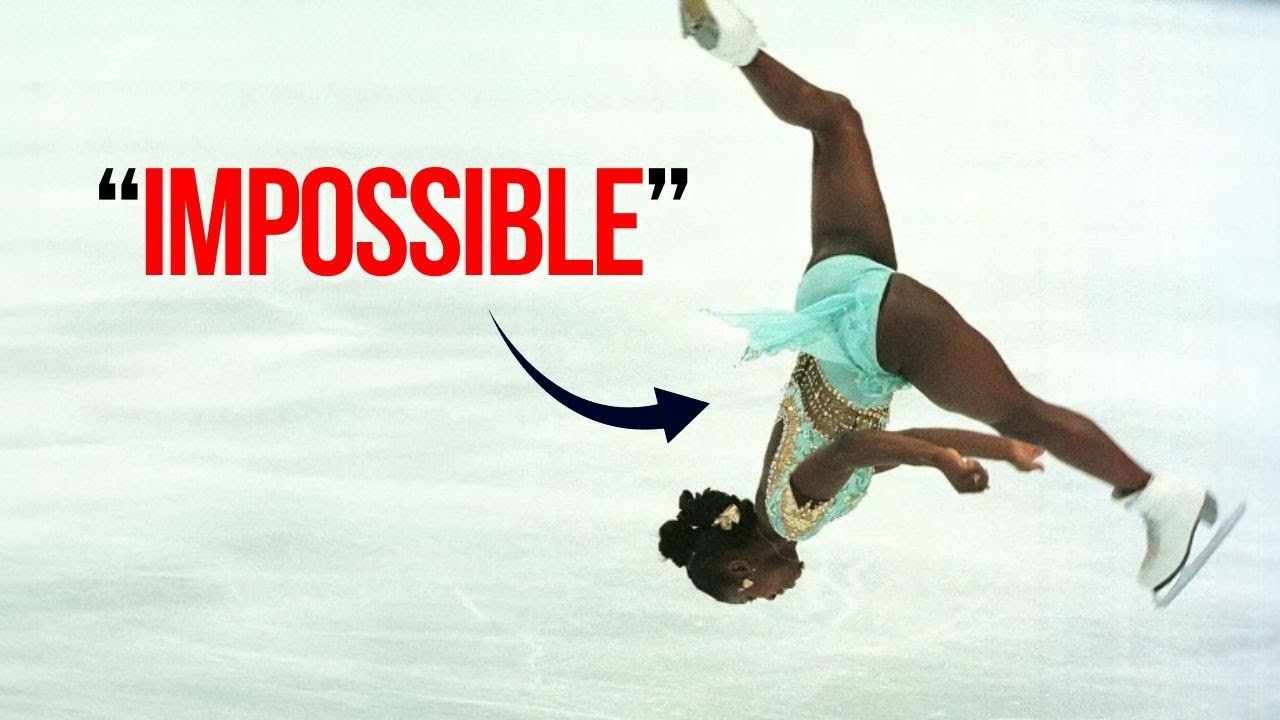
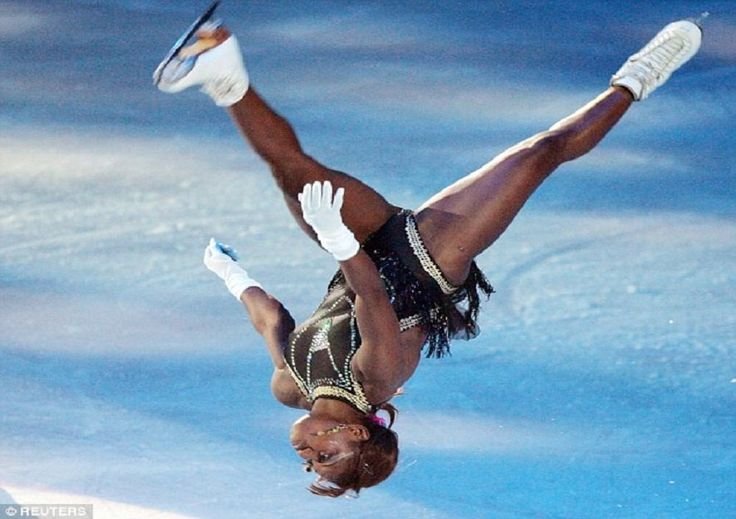
While Malinin made history with the first legal version, the roots of this iconic move trace back to Surya Bonaly, the revolutionary Black French figure skater who broke barriers both technically and culturally.
At the 1998 Nagano Olympics, Bonaly boldly performed a one-foot backflip despite knowing it violated the rules. She received a penalty — but she also created one of the most unforgettable moments in Olympic skating history.
Landing the move on a single blade required extraordinary athleticism, and her decision to perform it anyway symbolized artistic rebellion and personal expression in a sport often defined by rigid expectations.
Though controversial at the time, Bonaly’s innovation planted a seed that would eventually reshape skating’s future.
The significance of Malinin’s Olympic moment goes far beyond a single performance.
It represents:
By landing the move legally, Malinin didn’t erase history — he honored it.
Sports evolve when athletes dare to challenge the limits of what’s considered possible.
Surya Bonaly pushed boundaries when the rules resisted change. Ilia Malinin capitalized on a new era where innovation is embraced rather than restricted. Together, their stories illustrate how courage, creativity, and persistence reshape the future of competition.
Their achievements remind us that progress rarely happens overnight — it happens when visionaries take risks that inspire the next generation.
As fans celebrate Malinin’s groundbreaking Olympic performance, many are also revisiting Bonaly’s legacy with renewed appreciation. What was once penalized is now celebrated, proving that true innovation often arrives before the world is ready to understand it.
Both athletes deserve recognition not just for spectacular athleticism, but for expanding the boundaries of what figure skating can be.
And as the ice continues to evolve, one thing is clear: history is never built alone — it is passed forward, one fearless moment at a time.