
The Mother of Hip-Hop and the Mogul Who Changed Music Forever
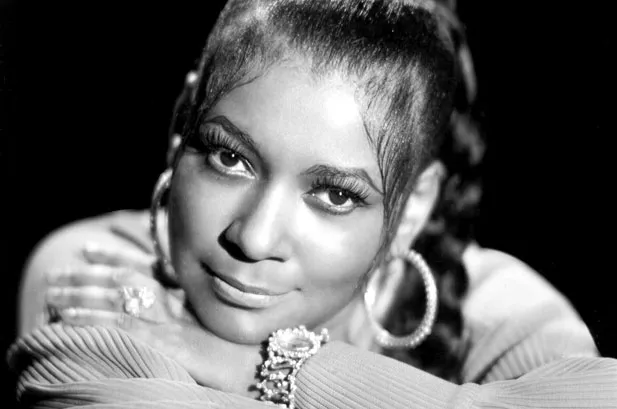
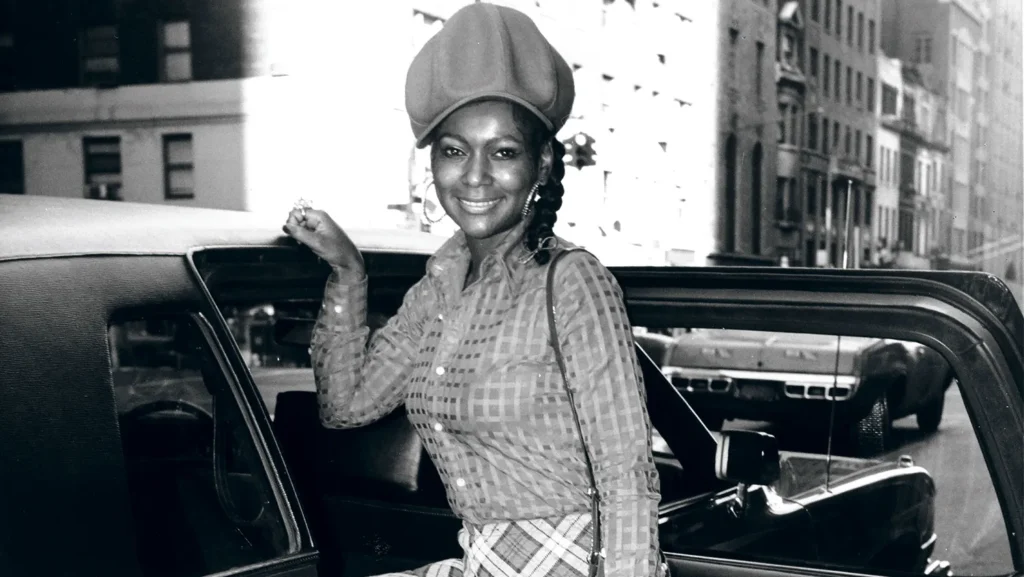
When the history of hip-hop is told, names like Grandmaster Flash, Run-D.M.C., and Kool Herc take the spotlight. But behind the turntables, beyond the stage lights, there was a woman whose vision turned a rising Bronx party sound into a global phenomenon: Sylvia Robinson.
Born in Harlem and raised in New Jersey, Robinson was a singer, songwriter, producer, and fearless entrepreneur long before the world knew the words “hip-hop culture.” Her early breakout came as half of the duo Mickey & Sylvia, earning a 1957 hit with “Love Is Strange.” She later found solo success with “Pillow Talk” in 1973 — a record she not only performed but produced, proving her ability to command the studio.
But her greatest impact would come from discovering the future.
In 1979, Robinson co-founded Sugar Hill Records, a bold move at a time when hip-hop existed mostly live in parks and clubs. Recognizing its power, she sought to bottle a movement into a commercial record. The result became “Rapper’s Delight” by The Sugarhill Gang — the first major hip-hop single to crack the Billboard charts.
That release did more than sell records — it legitimized a culture the industry tried to ignore.
She followed with another groundbreaking moment: orchestrating Grandmaster Flash & The Furious Five’s “The Message,” a record that pushed beyond party energy into social reality, laying the foundation for conscious rap.
“It makes me feel like I’m doing God’s work,” she once said about her mission.
Robinson was:
Her approach blended intuition and innovation — pushing new sounds when executives dismissed them as noise.
Even after Sugar Hill’s struggle against larger corporations and distribution giants, Robinson’s blueprint remains:
Hip-hop on radio?
Hip-hop in arenas?
Hip-hop as a billion-dollar global industry?
All trace back to her conviction that the world needed to hear this culture.
Today, music executives, producers, and artists follow a path she paved — often without knowing her name.
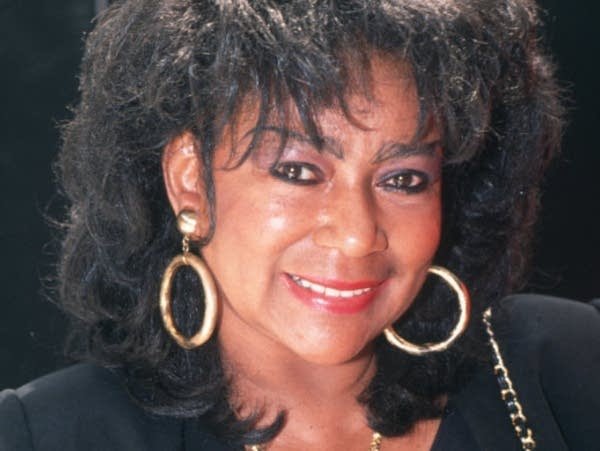
Sylvia Robinson passed away in 2011, but her influence continues to echo — in every sample, every verse, every chart-topping hip-hop anthem. She was a pioneer who opened doors not just for the genre, but for Black ownership and women in power.
She didn’t just witness history.
She made it.