
Now Reading: More Than a Concert: What JAY-Z’s Live Performances Mean for Hip-Hop, the Music Industry, and the Black Community
-
01
More Than a Concert: What JAY-Z’s Live Performances Mean for Hip-Hop, the Music Industry, and the Black Community
Advertisement

More Than a Concert: What JAY-Z’s Live Performances Mean for Hip-Hop, the Music Industry, and the Black Community

Advertisement

More Than a Concert: What JAY-Z’s Live Performances Mean for Hip-Hop, the Music Industry, and the Black Community
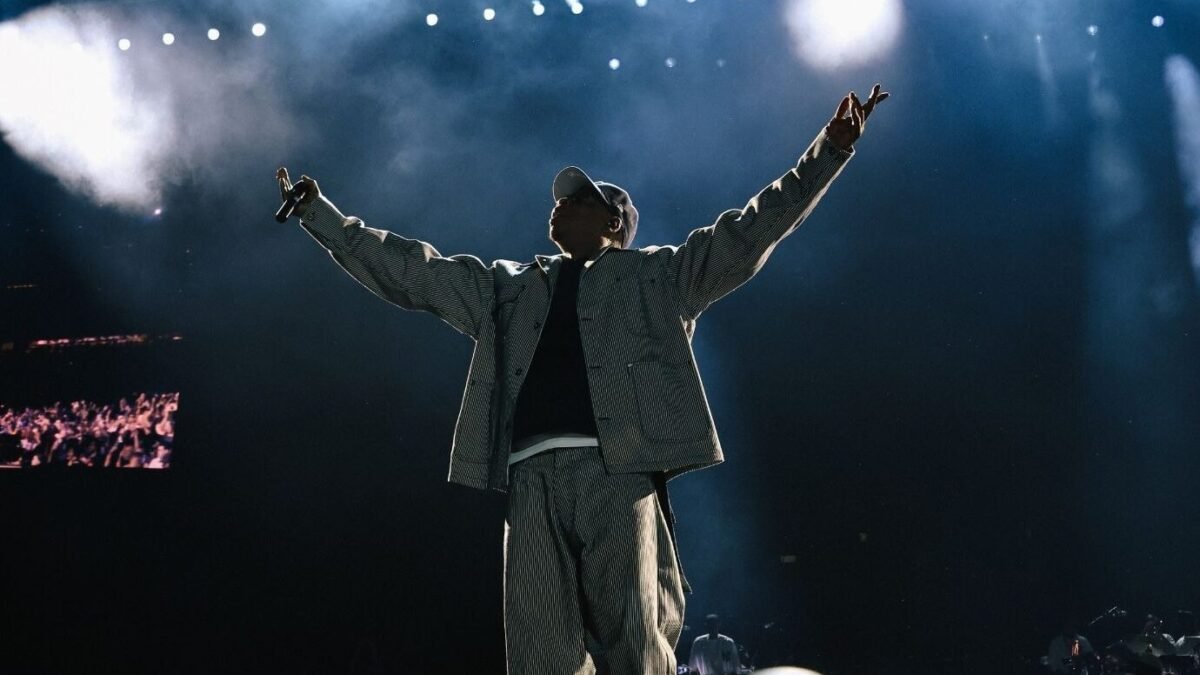
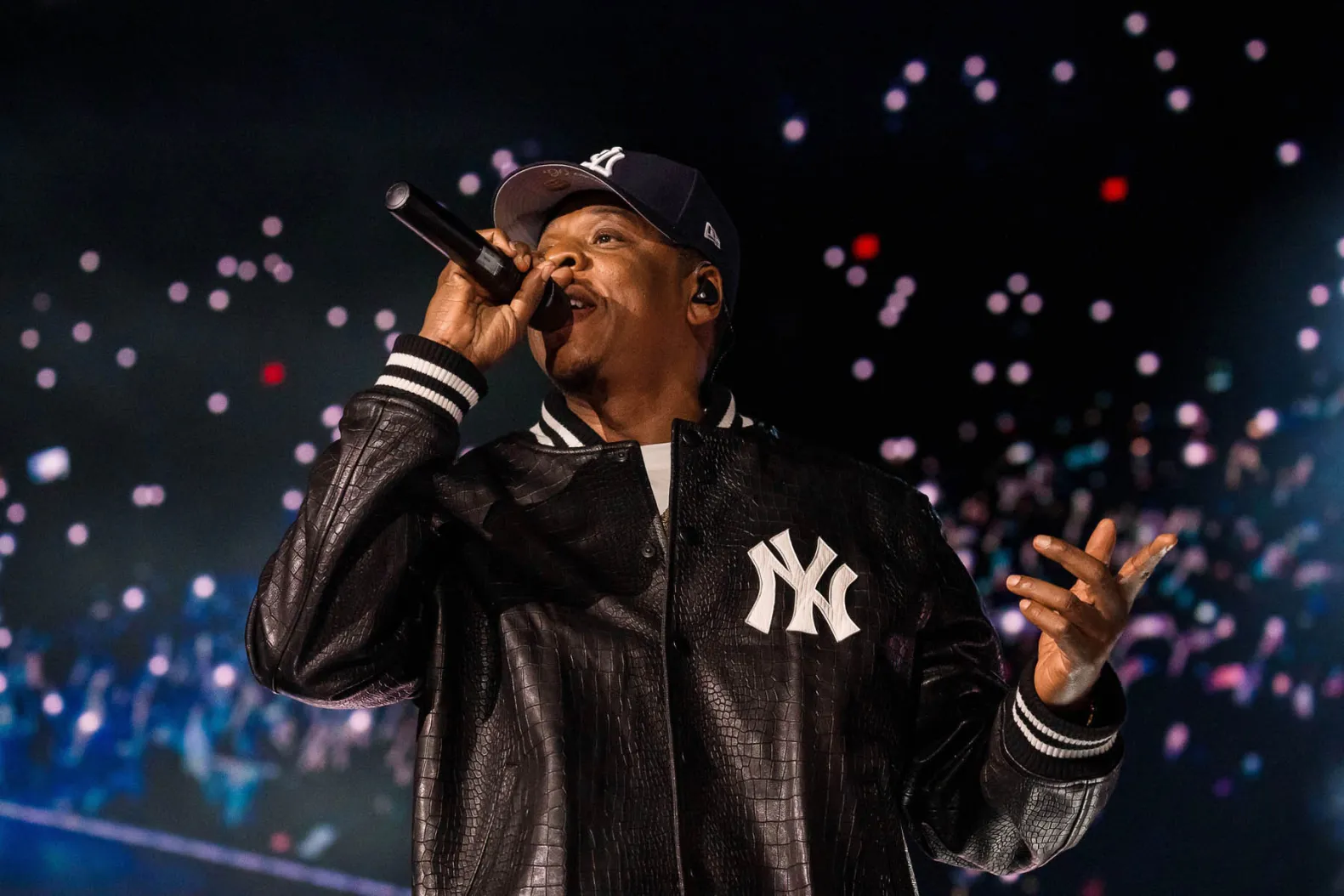
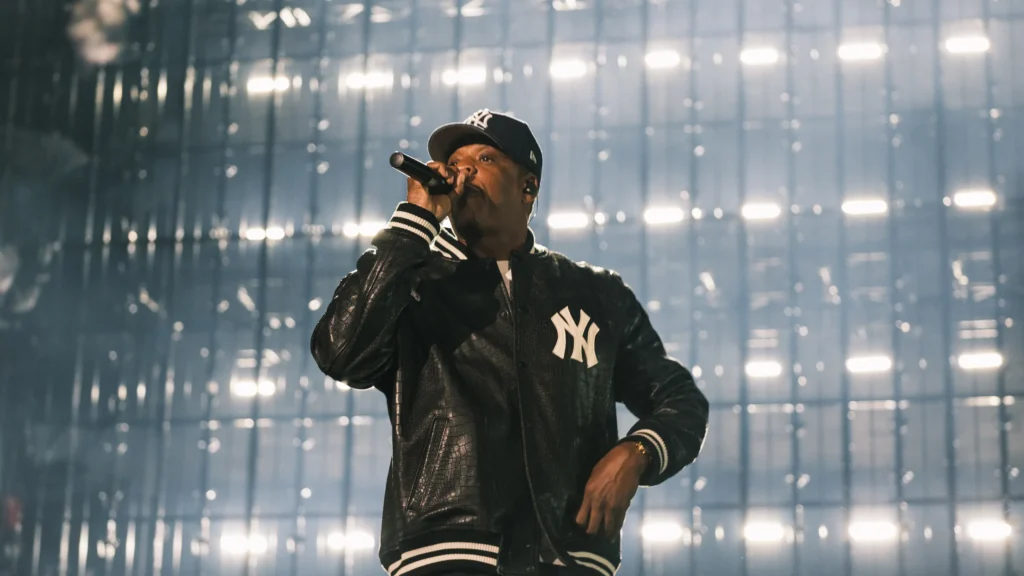
When JAY-Z steps onto a stage today, it represents something much bigger than another concert. It is a reminder of what longevity, ownership, and cultural excellence look like in hip-hop. Every live performance by one of the genre’s greatest architects reinforces a message that has echoed throughout his career: hip-hop is no longer asking for a seat at the table—it has become the table.
A Victory Lap for Hip-Hop
Hip-hop was once dismissed as a passing trend. Today, it fills stadiums, headlines festivals, influences global fashion, drives billion-dollar businesses, and shapes popular culture around the world.
JAY-Z’s live appearances serve as living proof of that evolution.
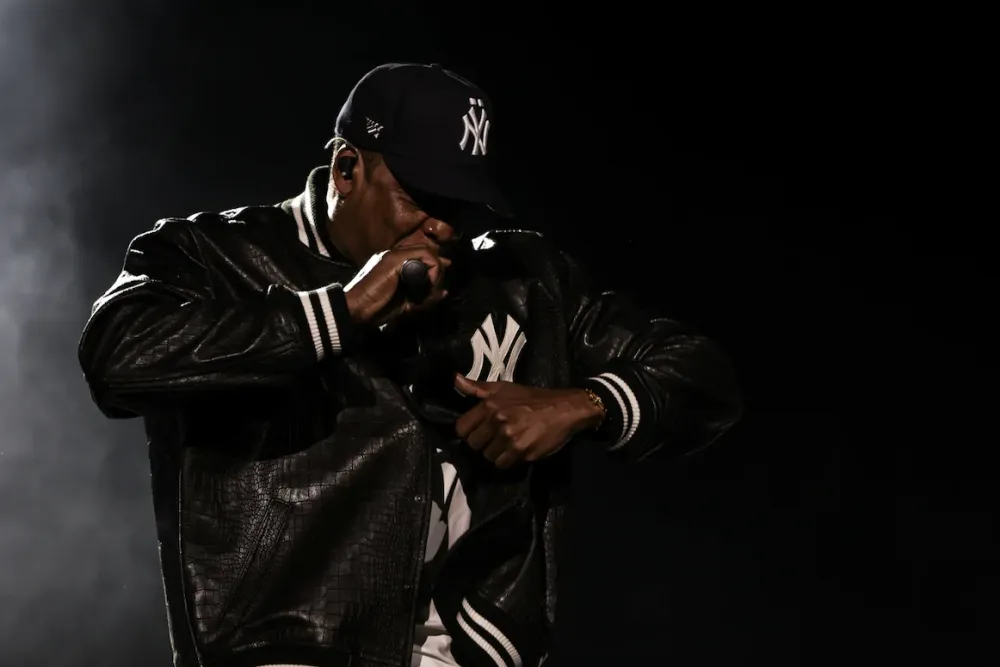
When fans of multiple generations gather to hear classics like Public Service Announcement, Empire State of Mind, Can I Live, or 99 Problems, they aren’t simply attending a concert. They’re witnessing decades of hip-hop history performed by someone who helped write it.
Every sold-out arena demonstrates that timeless music has lasting value. It reminds younger artists that building a catalog can be just as important as chasing the next viral hit.
The Power of Longevity
One of the most inspiring aspects of JAY-Z’s career is that he continues to command attention without needing controversy.
His influence is built on consistency.
His performances send an important message to artists everywhere:
- Great music ages well.
- Authenticity outlasts trends.
- Legacy is earned over decades—not weeks.
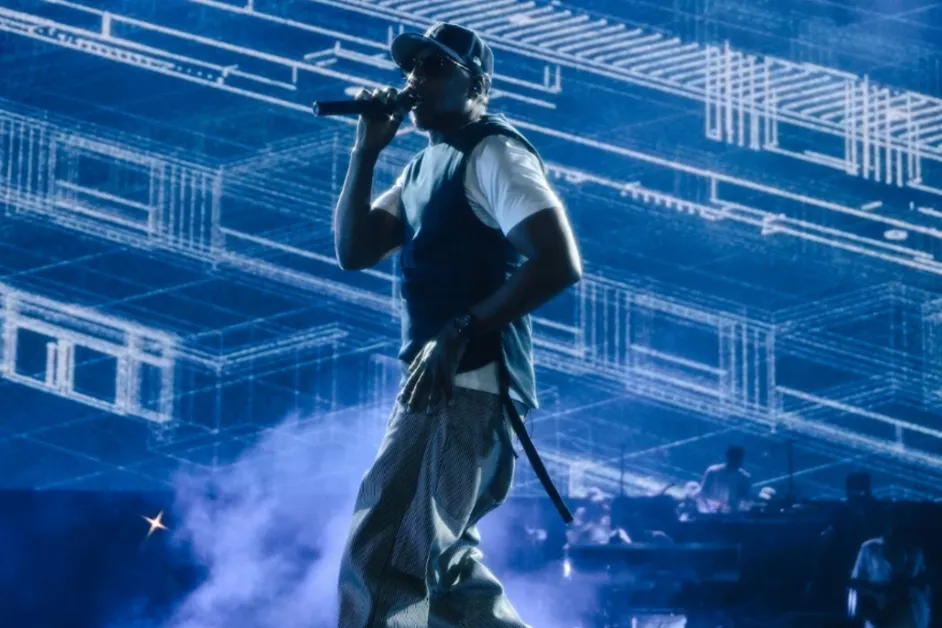
In an era driven by algorithms and social media moments, JAY-Z represents the value of craftsmanship, patience, and artistic growth.
Raising the Standard for the Music Industry
JAY-Z’s concerts also remind the industry that artists can be more than entertainers—they can become entrepreneurs, investors, executives, and cultural leaders.
His journey has encouraged musicians to think beyond album sales and streaming numbers.
Today’s artists increasingly speak about:
- Owning their masters.
- Building businesses.
- Investing in communities.
- Creating generational wealth.
- Protecting their intellectual property.
These conversations have become part of hip-hop’s DNA, and JAY-Z has played a significant role in helping normalize that mindset.
His performances celebrate not only musical excellence but also the possibilities that exist when artists view themselves as CEOs of their own brands.
Inspiration for the Black Community
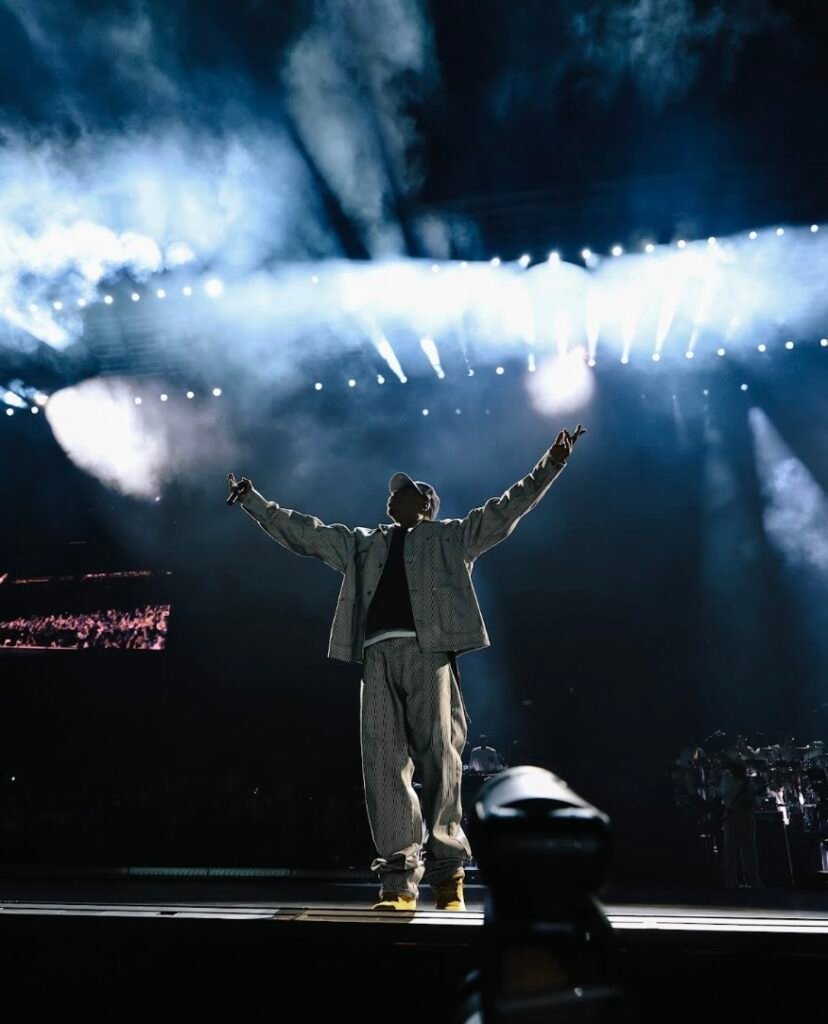
For many people in the Black community, watching JAY-Z perform is watching possibility become reality.
His story resonates because it reflects resilience, vision, and transformation.
His success demonstrates that one’s starting point does not have to determine one’s destination.
Whether someone dreams of becoming:
- an artist,
- an entrepreneur,
- a producer,
- a business owner,
- or a community leader,
his career serves as evidence that discipline, creativity, and strategic thinking can create opportunities that extend far beyond entertainment.
Representation matters, and seeing Black excellence consistently displayed on the world’s biggest stages continues to inspire future generations.
A Celebration of Culture
Hip-hop has always been more than music.
It is language.
It is fashion.
It is business.
It is storytelling.
It is innovation.
It is community.
Every JAY-Z concert becomes a celebration of that culture.
Fans from different backgrounds, generations, and countries come together because hip-hop has evolved into one of the world’s most influential cultural movements.
That unity speaks to the genre’s ability to connect people through shared experiences and timeless records.
The Bigger Picture
JAY-Z performing live is about much more than nostalgia.
It is a celebration of ownership over exploitation.
It is experience over hype.
It is legacy over fleeting moments.
It is a reminder that hip-hop’s pioneers continue to elevate the culture while inspiring the next generation to dream bigger, build smarter, and create with purpose.
As long as artists like JAY-Z continue to grace the stage, every performance becomes more than entertainment—it becomes a masterclass in longevity, leadership, and the limitless potential of hip-hop culture.
For the music industry, it’s a benchmark.
For the Black community, it’s a source of inspiration.
And for hip-hop, it’s another chapter in a legacy that continues to shape the world.
Related Posts
Stay Informed With the Latest & Most Important News
Previous Post
Next Post
Advertisement